
Is Your Data Being Sold? How Data Brokers Use Your Email Address
Have you ever wondered why you start seeing ads for a specific pair of shoes on Instagram just minutes after browsing a random website? Or why your "Promotions" tab is suddenly filled with emails from companies you’ve never heard of?
The answer lies in a massive, invisible industry: Data Brokering.
In 2026, data brokers are part of a global market projected to reach nearly $470 billion. They don't have a direct relationship with you, yet they likely know your income, your political leanings, your health interests, and even your approximate home value.
The "Digital Anchor": Why Your Email is So Valuable
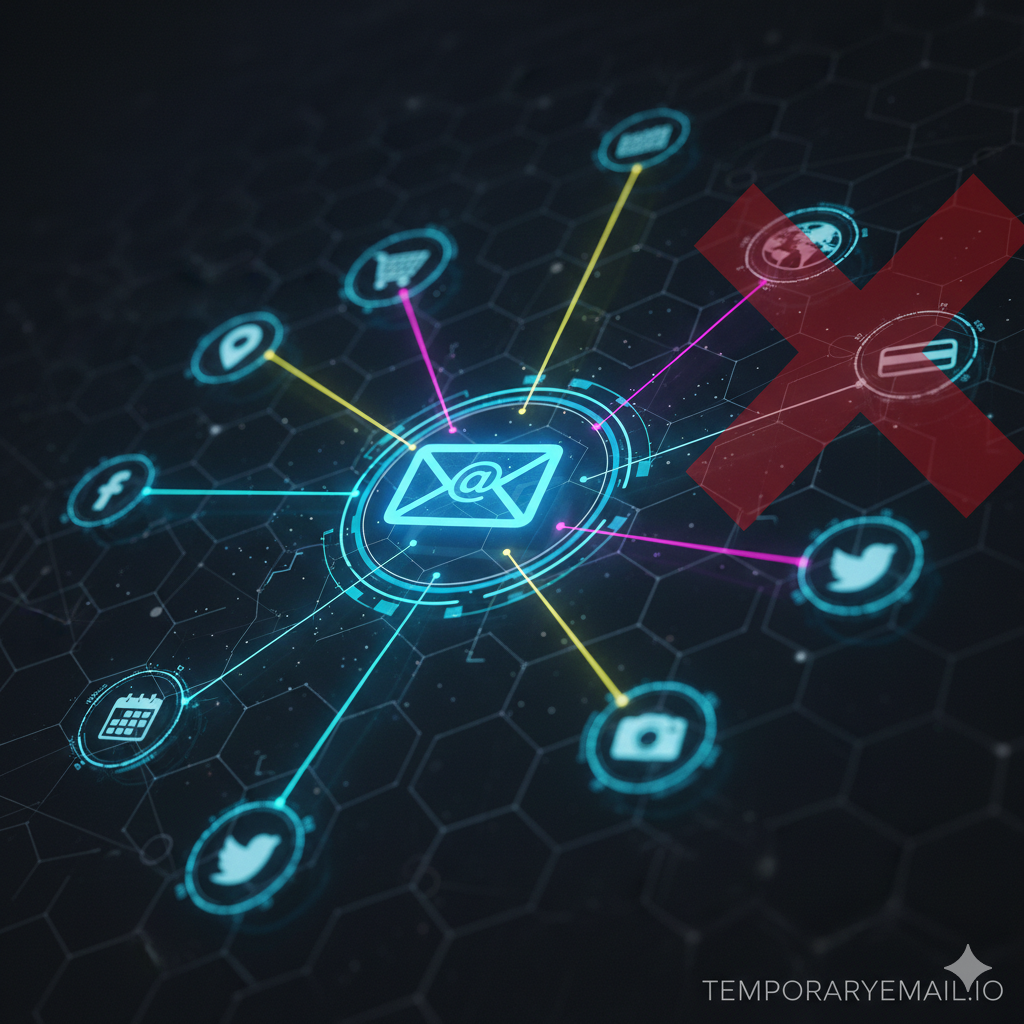
To a data broker, your primary email address is a "digital anchor."
Because you use the same email to sign up for everything—from banking and Netflix to a random 10% discount code at a local shop—it acts as a common thread. Brokers use this thread to "stitch" together your activity from across the web into a single, comprehensive Consumer Profile.
How They Get Your Data (The 3 Main Channels)
1. The "Fine Print" Consent
When you sign up for a store's loyalty program or a new app, the Terms of Service often include a clause that allows them to share "anonymized" data with "partners."
2. Public Record Scraping
Brokers use automated scripts to crawl government databases.
Voter registrations
Marriage licenses
Property deeds
Court records
Professional licenses
3. Tracking Pixels and Digital Exhaust
Almost every website you visit contains "tracking pixels." These tiny, invisible images report back to ad networks and brokers, telling them exactly what you looked at, how long you stayed, and—crucially—who you are via your logged-in email session.
What’s Inside Your "Consumer Profile"?
Once a broker has your email, they "enrich" it with other data points. A typical profile sold to advertisers might look like this:
Identity: Name, Age, Gender, Primary Email.
Location: Home address, frequently visited gyms or cafes (via app GPS data).
Interests: "New Parent," "Fitness Enthusiast," "Interested in Cryptocurrency."
Financial Status: Estimated income bracket, credit score range, recent large purchases.
The Risks: Beyond Just Annoying Ads
While targeted ads are the most common use, the data broker economy has darker implications:
Differential Pricing: Some companies use broker data to show different prices to different people based on their "estimated wealth."
Insurance Risks: Health data (searched via your email-linked account) can theoretically influence life or health insurance premiums.
Identity Theft: If a data broker's database is breached, a criminal has a "starter kit" to impersonate you perfectly.
How to Break the Chain: Reclaiming Your Data
You don't have to let your data be the product. Here is how to fight back in 2026:
Use "Burner" Identities: Whenever a site asks for an email just to "view content" or "get a discount," don't give them your "digital anchor." Use temporaryemail.io to generate a disposable address. This breaks the link that brokers use to track you.
Opt-Out Platforms: In many regions (like California with the Delete Act), you now have the legal right to tell brokers to delete your data.
Tools like Incogni or DeleteMe can automate these requests for you. Search for Yourself: Use tools like Have I Been Pwned to see if your email has already been leaked in a broker-related breach.
Adjust Social Privacy: Lock down your social media profiles so they cannot be "scraped" by automated tools.
Conclusion
In the digital economy, privacy is a choice. Every time you use your real email for a non-essential service, you are feeding the data broker machine. By using a temporary email for one-off signups, you effectively "blind" the trackers and keep your personal profile—and your life—private.